The Path to Manufacturing Excellence in Aerospace and Defense [VIDEO]

Aerospace and defense manufacturers work with enormous amounts of product, process and quality information. The challenge is connecting it across the manufacturing lifecycle.
After working with aerospace and defense manufacturers, I have found that the hardest part is rarely the information itself. Design engineering has product definitions and requirements. Manufacturing engineering has process plans and resources. Quality has its own requirements and standards.
The real challenge starts when all of these pieces need to come together to support a manufacturing-related decision, especially when the product or requirements change.
The information exists. It’s just not always available to the relevant stakeholder or easily accessible.
That, to me, is what manufacturing excellence is really about: connecting the right information, validating the process before production and making manufacturing knowledge reusable.
Connecting design, manufacturing and quality engineering
One of the challenges I see across aerospace and defense manufacturers is connecting the information created by design, manufacturing and quality engineering.
Each discipline has a different piece of the picture. Design engineering defines what needs to be built. Manufacturing engineering works out how it will be built. Quality engineering brings the requirements that need to be met.
When that information sits across different systems and workflows, manufacturing teams can spend time finding it, checking it and contextualizing it before they can use it for planning.
The data is there. What matters is how well it is connected and flows between people and systems.
Bringing these disciplines together gives manufacturing and quality engineering teams a clearer view of the product, the process and the requirements. When the information is connected, teams can make better decisions and plan with greater confidence.
It creates a direct line from what needs to be built, to how it will be built, to what needs to be inspected.
The challenge is making sure the data created by design engineering, manufacturing engineering and quality engineering is available for downstream consumption and connected across different systems.
CONNECT THE DATA
Design Engineering → Manufacturing Engineering → Quality Engineering → Production
The goal isn’t to create more information. It is to make the existing information available to the right people in the right context.
Validate the production process with a digital twin
Once design, manufacturing and quality information is connected, the next question is: can we actually build the product as planned?
That is where a production digital twin comes in.
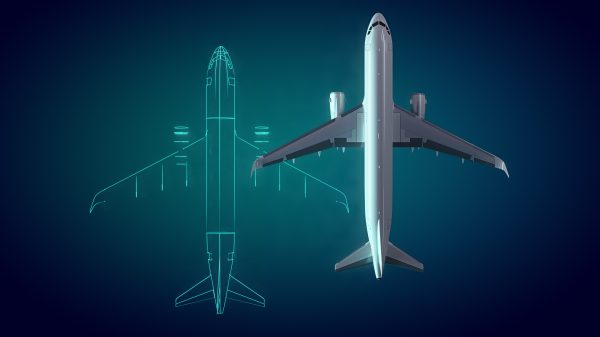
A production digital twin is a virtual model of the production process. It lets manufacturing teams plan, simulate and optimize the process before sending it to the shop floor.
Imagine getting it right the first time, and every time, by planning and simulating the entire production process before you build it.
But the real value of a production digital twin is not simply creating a virtual version of the factory. It is connecting the decisions made across engineering, manufacturing and quality, so teams can understand the impact of a change before it reaches the shop floor.
We can see what this looks like in practice at Northrop Grumman, where their manufacturing engineering team uses Siemens digital manufacturing solutions to connect engineering and manufacturing and address integration challenges.
Siemens Xcelerator digital manufacturing solutions are helping us reach our goals. We use Teamcenter Easy Plan in the Active Workspace client and it is adopted in multiple areas in our manufacturing engineering organization.Eliot Horner, Model-Based Manufacturing Team, Northrop Grumman
Eliot Horner, Model-Based Manufacturing Team, Northrop Grumman
Siemens is investing in connecting the different software tools that support different disciplines into one ecosystem, so that the data and processes can work together rather than stay isolated in separate systems.
For aerospace and defense, that connection matters. Complex products, specialized resources and demanding requirements leave little room for trial and error once production begins.
The goal is what manufacturers often call first-time right or a faster ramp-up: virtually check the process, which is as close as possible to the physical process, before the shop floor execution begins, rather than learning everything through production.
A production digital twin is a virtual model of a production process that allows us to validate and optimize that process before actually trying to execute it on the shop floor with the goal of achieving first-time-right production or a faster ramp-up
Build on a single source of truth
The other piece is the data backbone that connects everything.
One data set. One source of data. One source of truth.
If design, manufacturing and quality are working with the same underlying data, you don’t have to keep recreating that information as it moves through the manufacturing process. The same product information can support planning, simulation and execution.
That also changes how you approach the manufacturing digital transformation itself. You don’t need to implement every capability at the same time. You can start with one area, connect it to the same data foundation and add capabilities as the need grows.
For aerospace and defense manufacturers, that matters. The technology can evolve in phases without creating a separate data foundation for every new capability.
That is the direction we are taking at Siemens: connecting the tools and disciplines around a common data foundation, rather than treating them as separate systems.
Planning it right
Another shift I see across aerospace and defense is the growing focus on manufacturing planning.
As engineers work with larger and more complex data sets, planning can involve a lot of tedious, repetitive work. They may need to perform the same tasks again and again across different sets of product and manufacturing data.
Reduce repetitive work with AI
This is where AI-based capabilities can make a difference. They can significantly shorten the time manufacturing engineers need to create a manufacturing plan.
But it is not only about saving time.
The data also needs to be consistent. When planning is done by different engineers or across different programs, there can be mistakes or differences in how the data is created.
AI can help address this by supporting more consistent, standardized manufacturing engineering data across engineers and programs.
The opportunity is not only to create the data faster, but to create it with fewer mistakes and greater persistency.
We are introducing more and more capabilities based on artificial intelligence, and we believe that, in the end, it will shorten the time manufacturing engineers need to create a process plan. It will also make the process plan smarter by using knowledge and data from other engineers and other programs, which will ultimately make it a better plan.
From connected data to production readiness
For aerospace and defense manufacturers, these challenges are closely connected. The data needs to move between design, manufacturing and quality. The production process needs to be tested before it reaches the shop floor. Planning needs a common data foundation. And repetitive planning work needs to become easier to handle.
That is the direction we are taking at Siemens with Teamcenter Manufacturing Easy Plan and the Tecnomatix portfolio, giving manufacturers a way to bring these capabilities together and adopt them as their needs evolve.
The goal is simple: make manufacturing planning better connected, easier to validate and more consistent, so teams can be better prepared when it is time to build.
If you are working through these challenges in aerospace and defense, I would be happy to have a conversation. Reach out to me at zvika.weissman@siemens.com or connect with me on LinkedIn.