Turn product support insights into lifecycle savings with Teamcenter PSDM
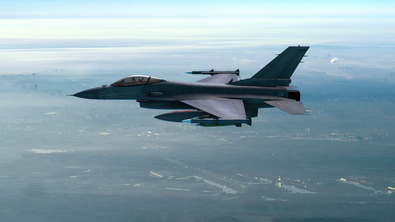
For aerospace and defense original equipment manufacturers (OEMs), the cost of supporting an asset can have consequences long after it leaves the production line. Decisions made during design can influence maintenance requirements, operational availability and sustainment costs across decades of service.
Product support can no longer be treated solely as a downstream activity. Sustainment performance and projected lifecycle costs are increasingly important considerations throughout the product lifecycle, making early visibility into maintenance and support requirements more critical than ever.
Siemens’ Teamcenter Product Support Data Management (PSDM), part of Teamcenter Service Lifecycle Management (SLM), helps aerospace and defense organizations “shift left” by bringing logistics, maintainability and product support considerations into the design process. By connecting product support information with engineering data, PSDM gives teams earlier visibility into maintenance requirements, lifecycle costs and asset availability while designs are still evolving. David Riemer, Chief Executive Officer of Intermountain Space Consulting, explains, the industry is increasingly evaluating programs based not only on development costs, but also on the cost of supporting an asset throughout its operational life.
The shift in defense acquisitions: Buying outcomes, not just designs
Historically, defense acquisitions focused heavily on the cost to design and develop an asset. Today, lifecycle costs, maintainability and asset availability are becoming increasingly important considerations when evaluating complex defense programs.
As David Riemer, Chief Executive Officer of Intermountain Space Consulting, explains:
Acquisitions are being picked based on lifecycle costs. It’s not based on who’s the cheapest to design it and develop it. It’s who’s the cheapest to be able to forecast what its maintenance is going to cost.
For OEMs, this puts greater emphasis on understanding and reducing the long-term cost of maintenance while maximizing the availability of complex assets. Traditional approaches to product support planning, however, can make achieving those goals more difficult.
The bottleneck: Disconnected systems and reactive planning
One of the key challenges is the disconnect between engineering, logistics and product support systems.
In many organizations, maintenance planning and logistics analysis take place in separate software applications that may not be fully connected to engineering data or the primary product lifecycle management (PLM) system. This separation can create several challenges:
- Outdated or inconsistent data: When support systems are disconnected from the engineering source of truth, logistics teams can struggle to keep support data aligned with evolving product designs.
- Limited opportunity to influence design: When support planning takes place later in the development process, maintainability challenges and service costs may not become visible until key design decisions have already been made. At that stage, changes can be more difficult and costly to implement.
- Limited configuration control: Managing product support information separately from engineering data can make it more difficult to track changes, effectivities and product variations throughout the lifecycle.
Shifting left with Teamcenter SLM and PSDM

Product Support Data Management helps address these disconnected processes by bringing product support information together with engineering design data, helping establish a continuous digital thread.
With Teamcenter PSDM, logistics engineers and maintainers can collaborate with design teams while the product design is still evolving. This gives teams an opportunity to consider sustainment requirements earlier and use support insights to help influence design decisions.
By shifting these activities left, organizations can:
- Identify opportunities to reduce maintenance requirements
- Improve operational availability
- Identify and address potential maintenance bottlenecks before physical assets are built
Rather than waiting until a product reaches the service phase to understand its support requirements, manufacturers can begin considering maintainability and sustainment as part of the product development process.
A standards-based digital thread
Teamcenter PSDM supports industry standards such as GEIA-STD-0007, which provides a standardized structure for logistics product data exchange and helps enable interoperability and long-term data management.
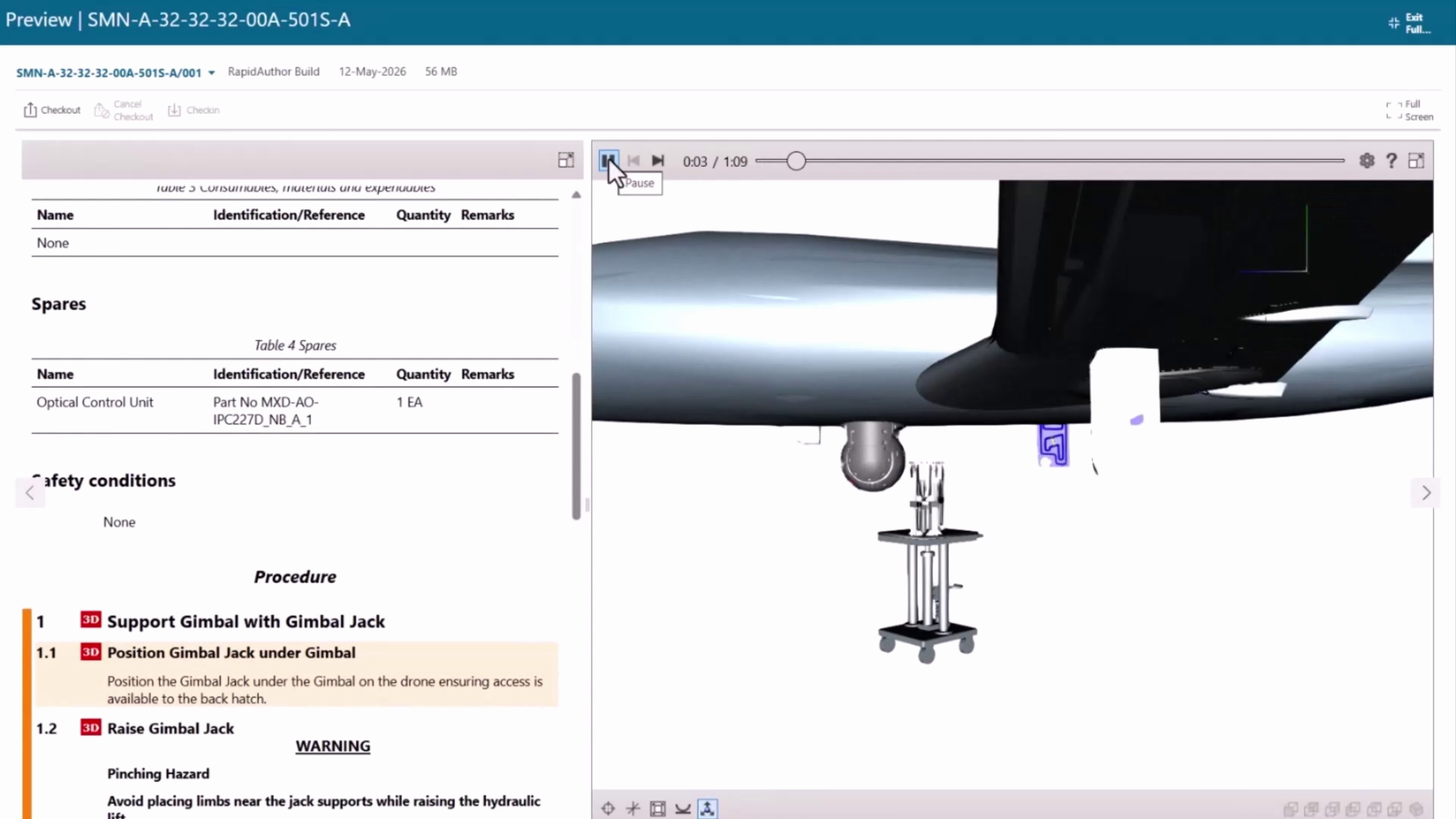
This approach provides several important capabilities:
- Extended data model including logistics data: Product support & logistics data, LCN-type, material mgt, maintenance, reliability analysis, training.
- Easy data transfer from OEM to Operator: Import, export & report features to facilitate data exchange between OEMs, Suppliers and Operators.
- Always in sync with engineering: Single source to manage the logistics data alongside the BOM with Service BOM and Service Requirements.
Together, these capabilities can give engineering, logistics and service teams greater visibility into how design decisions affect an asset throughout its operational life.
Realizing the value: Lower costs and greater availability
Connecting design and product support information creates an opportunity for aerospace and defense OEMs to address sustainment requirements much earlier in the product lifecycle.

By shifting logistics analysis left, and bringing logistics data management together with PLM, manufacturers can:
- Lower lifecycle and sustainment costs: Identify maintenance-intensive components and serviceability challenges while teams still have an opportunity to influence the design.
- Improve asset availability: Evaluate maintainability, service requirements and support strategies earlier to help assets spend more time fulfilling their intended mission.
- Strengthen program competitiveness: Develop more informed and traceable lifecycle cost and support forecasts that can help demonstrate the long-term value of a proposed platform.
Watch the video to hear David Riemer discuss why aerospace and defense organizations are shifting sustainment considerations earlier in the product lifecycle and how Teamcenter PSDM can help connect engineering and product support to improve long-term asset performance.
Learn More about PSDM
Read the Teamcenter PSDM fact sheet
Compliance Without Complexity: Using GenS as the LSA Standards Converter for Teamcenter
Looking to Optimize Product Supportability and Keep Assets at Peak Performance?
The Hidden Cost of Disconnected Product Support Data Management