Voice of MOM Partner Series – CDT and Siemens: Helping electronics manufacturers scale digitalization

The electronics industry is facing increasing pressure from supply chain challenges, compliance requirements and growing production complexity. For many small and medium-sized manufacturers, however, digital transformation brings another challenge: knowing where to start.
Ibrahim Gogus, Managing Director at CDT, sees this as one of the biggest barriers to digitalization. CDT is a Siemens partner covering Turkey, the Middle East, North Africa, the UK and Ireland, with a focus on electronics and electrical systems. Its portfolio spans manufacturing operations management, engineering, simulation and test, including Siemens Opcenter, Opcenter Advanced Planning and Scheduling (APS), Opcenter Intra Plant Logistics (IPL) and Process Preparation.
For CDT, the role of a technology partner goes beyond implementing software. It is about understanding the customer’s business, identifying where digitalization can deliver value and creating a roadmap that allows manufacturers to start small and scale over time.
Making digitalization accessible
Many of the electronics companies CDT works with are small and medium-sized businesses. While they recognize digitalization as a path to growth and scalability, the required investment can be challenging – not only financially, but also in terms of infrastructure and people.
“The biggest challenge from a digitalization perspective is allowing them to dream big, start small, achieve results quickly,” says Gogus.
Rather than approaching transformation as one large project, CDT helps customers identify where they can start seeing results quickly. Its industry expertise, combined with the Siemens portfolio, enables the team to tailor a roadmap to each customer’s specific challenges.
Gogus sees this consulting role as an increasingly important part of the partner relationship. After three decades in the IT industry, he has seen partners evolve from primarily being an additional sales channel to becoming advisors that combine industry knowledge with technology expertise.
“Understanding the industry, the business challenges, but also understanding the portfolio Siemens has and bringing them together is where I think we can add value.”
Listen to the full interview
From “where do I start?” to scalable transformation
For smaller manufacturers, limited resources can make digital transformation particularly difficult. At the same time, technology can provide an important source of resilience.
Gogus points to the impact of people dependency. In a smaller organization, the departure of just a few key employees can have a significant effect on planning or production. Digital solutions can help capture processes and make information more accessible, reducing this dependency. This is also changing the perception that Siemens technology is only relevant to large enterprises.
“There is a market perception about Siemens being for the big guys. But I think the way the technology is evolving, the way Siemens is going to market has started changing that.”
For Gogus, the ability to adopt technology incrementally is particularly important. Manufacturers can begin with a specific challenge, demonstrate value and then expand their digitalization journey.
Proven approaches accelerate implementation
CDT supports this approach through proven templates, methods and practices developed through repeated work with similar companies and processes.
Rather than starting every project from scratch, the company can draw on established approaches to shorten the path from identifying a challenge to implementing a solution.
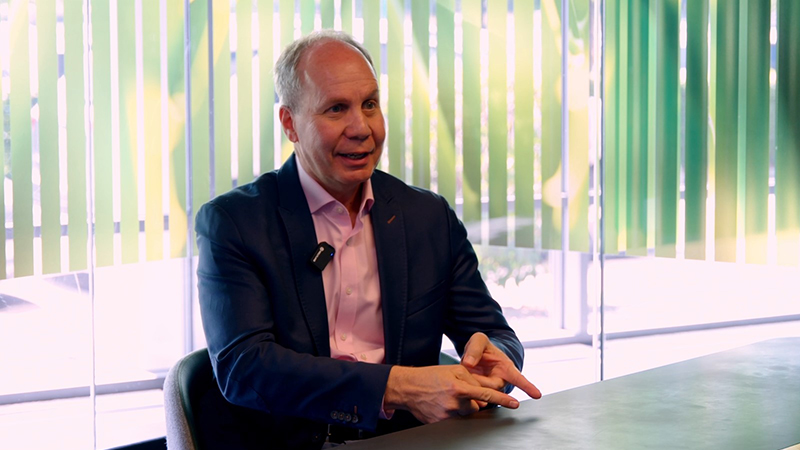
“We have templates and proven practices and the know-how to speed that entire process up,” Gogus explains. “You can start small, invest, see the results, invest more and scale the digitalization project.”
For electronics manufacturers operating in highly varied production environments, this combination of repeatable approaches and the flexibility of the Siemens portfolio helps support digitalization without sacrificing speed.
Turning data into actionable insight
Looking ahead, Gogus sees artificial intelligence, including agentic AI, as an important enabler for making manufacturing operations management solutions more accessible.
The value, he argues, is not simply in adding AI to existing applications. AI can help users navigate complex solutions, guide them through processes and potentially reduce the effort required to configure and implement applications.
“The use of artificial intelligence, agentic AI and the use of these tools, helping users, guiding users to more effectively using these tools will be a big benefit.”
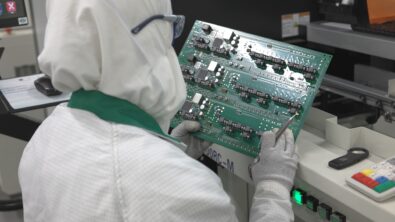
For electronics manufacturing, Gogus points to repair as one example. An AI repair advisor can use previous cases to guide test and repair operators determine how to address issues on a printed circuit board. Based on previous cases, the system can recommend which components to replace or repair together, potentially helping avoid repeat repairs and scrap.
For Gogus, this illustrates where the real value of AI lies: turning collected data into actionable insight.
“The data collection is the easy part, providing insight and making it actionable for the operators, for the line managers, for the executives even, is where the value lies.”
A portfolio for different manufacturing needs
Because electronics manufacturers face different challenges depending on their business model and maturity, CDT works across the Siemens manufacturing portfolio.
For electronics manufacturing services and contract manufacturers, high-mix, low-volume production can make process preparation particularly important. Gogus highlights Siemens Process Preparation as a solution that can help companies prepare production lines in advance and identify issues before running a pilot.
For more mature manufacturers, including companies in aerospace and defense, shop-floor visibility becomes a key concern. Here, Gogus describes Siemens Opcenter Execution Electronics as a backbone for connecting equipment and manual operations and creating a more complete view of production.
Advanced Planning and Scheduling is another important element of the portfolio. According to Gogus, APS can help manufacturers make better use of existing capacity rather than immediately responding to increased demand with additional equipment or people.
Across these applications, the objective is the same: helping manufacturers build the flexibility, agility and quality needed to compete.
The value of partnership
For CDT, the Siemens partnership brings value beyond the individual solutions. Gogus points to the strength of the Siemens brand as an important advantage when engaging with manufacturing customers, while also highlighting the broader partner ecosystem.
The more we can work together, the easier it becomes to provide real value.
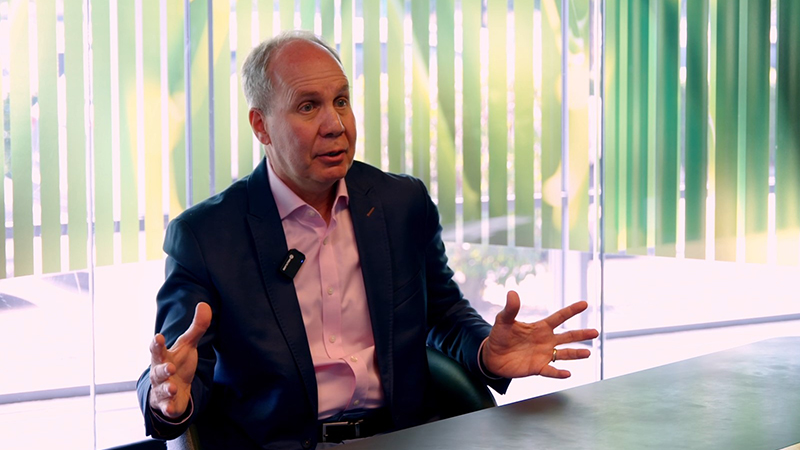
For customers, this combination of Siemens technology, CDT’s industry expertise and the wider partner ecosystem creates opportunities to address increasingly complex manufacturing challenges.
Ultimately, Gogus sees the value of the Siemens MOM portfolio in three fundamental outcomes: flexibility, agility and quality.
“These are not named functions in the applications but this is what you get when you implement all these different solutions. And that’s the only way you can compete.”
For electronics manufacturers, digitalization is therefore not simply about introducing new technology. It is about creating an operational foundation that can adapt as the business changes – starting with the challenges that matter most and building from there.
Frequently Asked Questions (FAQ)
How does CDT help electronics manufacturers with digitalization?
CDT combines industry expertise with the Siemens manufacturing software portfolio to help electronics manufacturers identify where digitalization can deliver value and build a roadmap that starts small and scales over time.
Why is a start-small approach important for electronics manufacturers?
Many small and medium-sized electronics manufacturers have limited resources, infrastructure and personnel for large transformation projects. Starting with a specific challenge allows companies to demonstrate value quickly before expanding their digitalization initiatives.
How can Siemens MOM solutions support electronics manufacturing?
Siemens MOM solutions can address different manufacturing needs, including production execution, planning and scheduling, intra-plant logistics and process preparation. The appropriate combination depends on the manufacturer’s processes, challenges and digital maturity.
What role can AI play in electronics manufacturing?
AI can help turn manufacturing data into actionable insights for operators, line managers and executives. For example, an AI-based repair advisor could use previous repair cases to help operators determine how to address issues with printed circuit boards and potentially reduce repeat repairs and scrap.
What are the main benefits of digitalizing electronics manufacturing?
According to Ibrahim Gogus of CDT, digitalization can help manufacturers improve flexibility, agility and quality. It can also reduce dependency on individual employees by making processes and operational knowledge more accessible and support manufacturers as they scale.