The new blueprint for Manufacturing Excellence: Siemens and Deloitte on the future of MES
In the high-stakes world of global manufacturing, the gap between “operational” and “optimized” is widening. As companies face mounting pressure to increase agility while simultaneously driving down Total Cost of Ownership (TCO), the role of the Manufacturing Execution System (MES) is being fundamentally redefined.
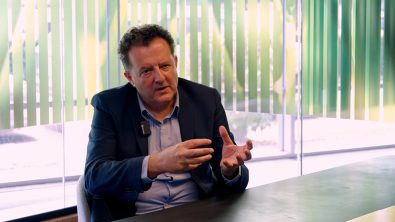
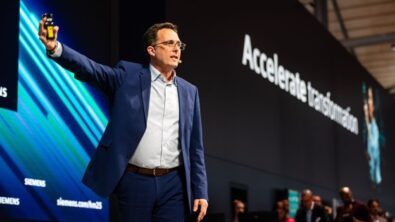
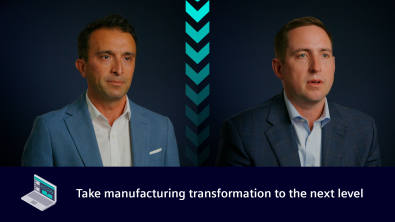
We recently sat down with Metin Kaplan, head of Siemens Opcenter MES, and Kenneth Norton, Managing Director in Deloitte’s Supply Chain Practice, to discuss how this transformation is unfolding on the shop floor. Their conversation highlights a critical reality: the next decade of manufacturing will not be won by those with the most data, but by those with the most contextualized and accessible data.
The three pillars of Modern MES investment
During the interview, Metin Kaplan outlined the three strategic pillars currently driving Siemens’ innovation roadmap for the Opcenter portfolio. These aren’t just technical features; they are direct responses to the most pressing business challenges in the industry today.
Economics: Driving down TCO
The traditional MES model often came with heavy baggage—costly operating systems, expensive database licenses, and massive hardware footprints. Siemens is aggressively dismantling these barriers. By transitioning to open-source foundations (such as Linux and PostgreSQL) and containerized, Kubernetes-based architectures, Opcenter is delivering a 60% to 85% reduction in licensing costs and a 50% smaller hardware footprint.
As Kenneth Norton noted, Deloitte’s clients are no longer looking for “just another software install.” They are looking for a platform that pays for itself through architectural efficiency and rapid ROI.
Operator experience: The task-based revolution
The “Great Resignation” and the aging workforce have made human-centric design a business imperative. The interview highlights a shift away from complex, multi-screen interfaces toward task-based UIs.
By focusing on the specific needs of the operator at the moment of execution, Opcenter reduces training time and minimizes human error. When the system acts as a guide rather than a hurdle, productivity naturally follows.
Human-augmenting AI: The Copilot era
Perhaps the most exciting segment of the discussion centers on Agentic AI. Siemens is moving beyond simple data visualization to “Production Copilots.” These AI agents don’t just show you a Pareto chart of defects; they interrogate the data, identify the root cause (such as a specific component failure), and suggest the exact repair sequence to the operator. This is AI that doesn’t replace the human—it augments them, turning every operator into an expert.
The power of low-code: Personalization without the pain
One of the standout themes of the Kaplan-Norton dialogue is the role of Mendix and low-code technology. Historically, personalizing an MES to fit a unique factory workflow meant expensive, hard-to-maintain custom code.
With Opcenter’s integration of Mendix, manufacturers can now personalize their workflows with drag-and-drop simplicity. This allows for a “Design once, build anywhere” strategy, where a core global template can be easily adapted to the specific needs of a local plant without breaking the digital thread.
Siemens and Deloitte: A strategic alliance for scale
Technology alone is not a silver bullet. The collaboration between Siemens and Deloitte bridges the gap between vision and execution.
Deloitte brings the industry-specific “Smart Factory” expertise and the ability to scale these solutions across global footprints, while Siemens provides the robust, AI-ready technology backbone. Together, they are helping manufacturers move from pilot projects to enterprise-wide transformation.
Watch the full interview
How is your organization preparing for the shift toward modular, AI-driven operations? Watch the full interview below to hear Metin and Kenneth dive deeper into the economics of the modern shop floor and the future of the Siemens-Deloitte alliance.
Ready to redefine your production efficiency? Explore the full capabilities of Opcenter here.