Siemens at IMTS 2026: Industrial AI, digitalization and the future of part manufacturing
The largest part manufacturing technology show in North America, IMTS 2026 has come to a close, and after a week of conversations with manufacturers, machine builders, programmers, engineers and technology leaders, one thing is clear: the industry is ready to move beyond talking about the potential of AI and digitalization. They are ready to embed and adopt AI into their design-to-manufacturing workflow.
As one of the world’s largest manufacturing technology events, IMTS brings the industry together to experience the latest advances in machining, automation, software and digital manufacturing, and to explore how those technologies can solve real production challenges and shape what’s next for manufacturing. See how Siemens design-to-manufacturing digital thread powered by Industrial AI demonstrated just that.
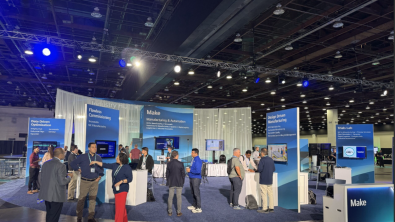
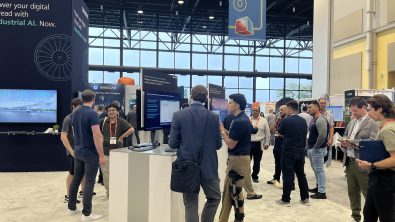
At IMTS 2026, more than 90,000 registrants from all 50 states and 113 countries came together in Chicago for this year’s show. And while the scale of IMTS is always impressive, what stood out was the substance of the conversations happening on the show floor. Visitors weren’t simply asking, “What can Industrial AI do?” They were asking much more practical questions: What AI capabilities can I use today? Where does AI fit into my existing CAD/CAM workflows? How does it integrate with the machine tools and data I already have? How can it make my designers and CNC programmers more productive? And ultimately, how does all of this help me get from an idea to a quality part faster? Those questions shaped many of the conversations at our booth – and they point toward an important shift taking place across manufacturing.
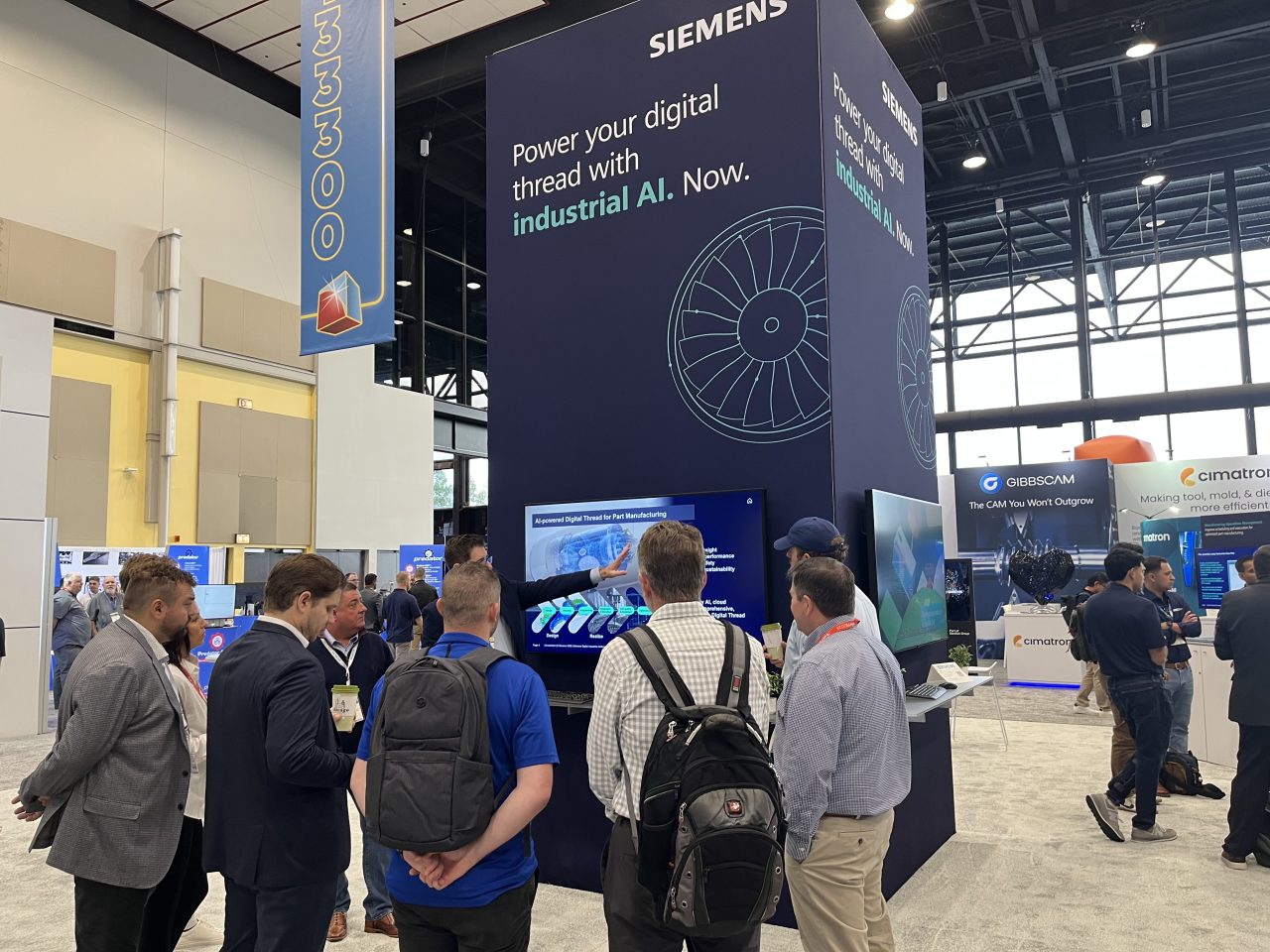
The conversations we had reinforced that manufacturers are looking for AI that understands the industrial context around the work being performed. They want capabilities embedded within the engineering and manufacturing environments their teams already use – helping their users make better decisions, automate repetitive work and tackle increasingly complex problems. That was exactly what we wanted visitors to experience at the Siemens booth.
One part. One digital thread. The entire manufacturing journey powered by Industrial AI.
At the booth, visitors followed the design-to-manufacturing process of a complex hydraulic pump. Its intricate internal cavities, tight tolerances and precise mating surfaces made it an ideal example of why decisions made early in engineering matter all the way through final production. Visitors could follow that journey from design and manufacturing planning through CNC programming, preparation, production, quality, optimization and asset management – ultimately arriving at the machine itself.
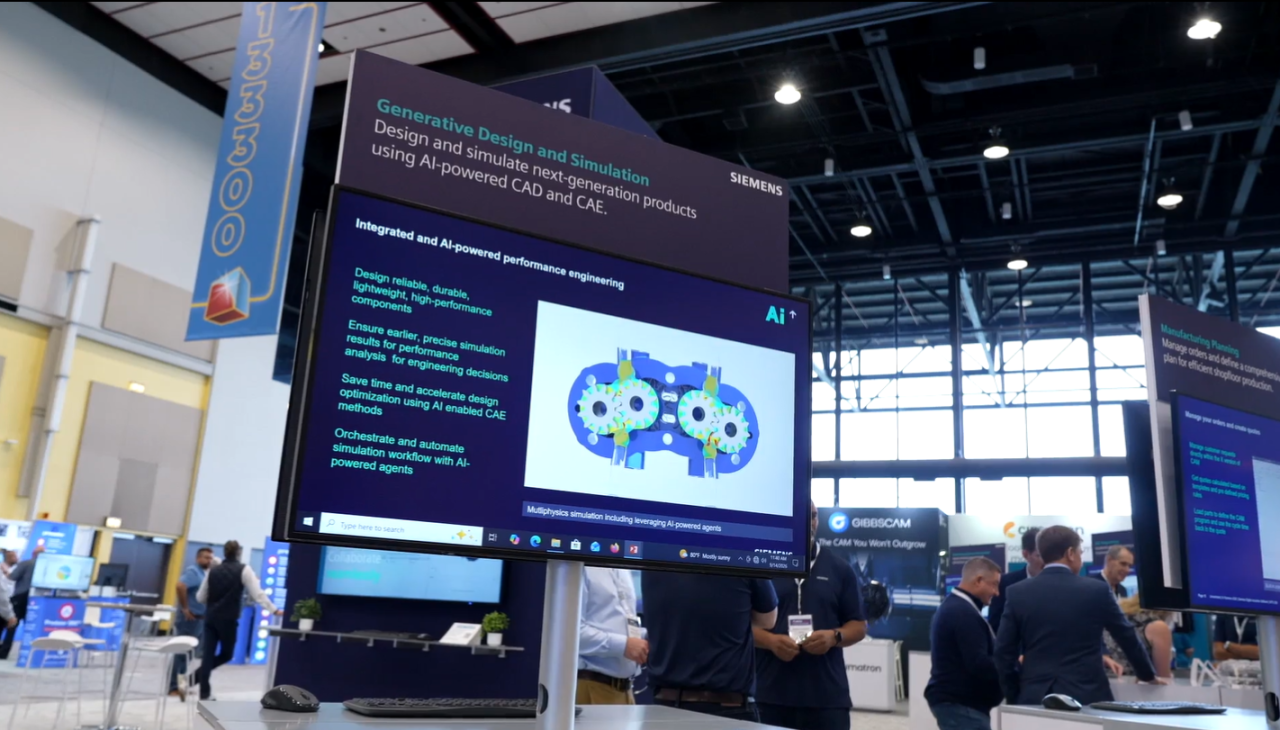
This design-to-manufacturing demonstration allowed booth visitors to go from one stage of the manufacturing process to the next to understand the power of a connected digital thread powered by industrial AI.
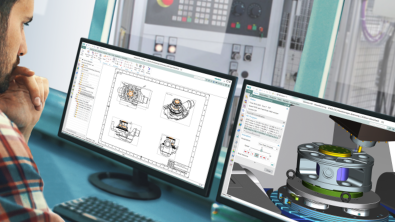
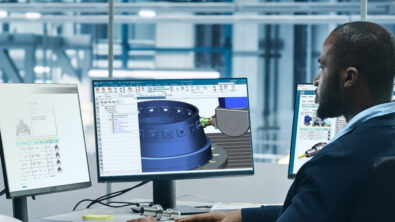
In design, we showed how AI-powered CAD can help engineers explore more possibilities, optimize performance and validate designs earlier. In manufacturing, visitors saw how that intelligence can move directly downstream into CNC programming. With AI capabilities like Make Machining Suggestion in Siemens CAM software, programmers can analyze 3D geometry and recommend machining strategies while helping to automate repetitive tasks and help programmers create complete machining processes faster. And it continually learns from the programmer’s best practices, keeping the human in the loop, so the part manufacturer make the final decision.

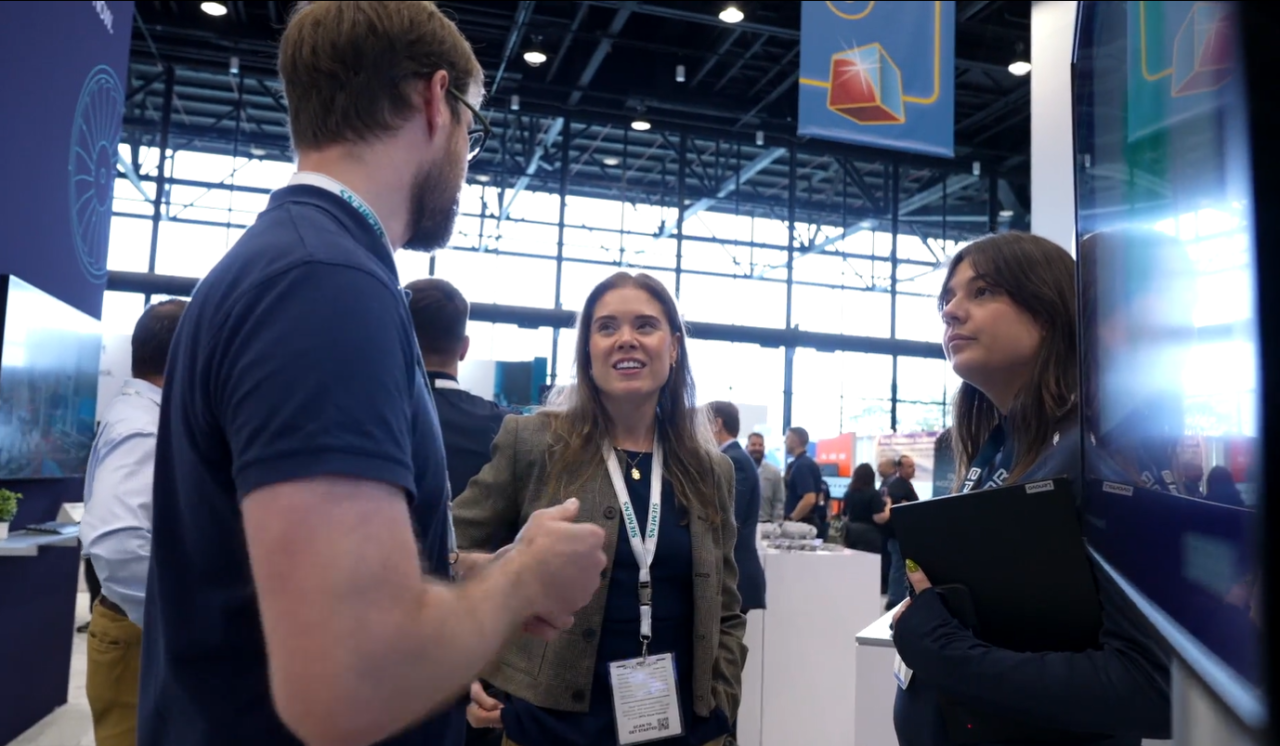

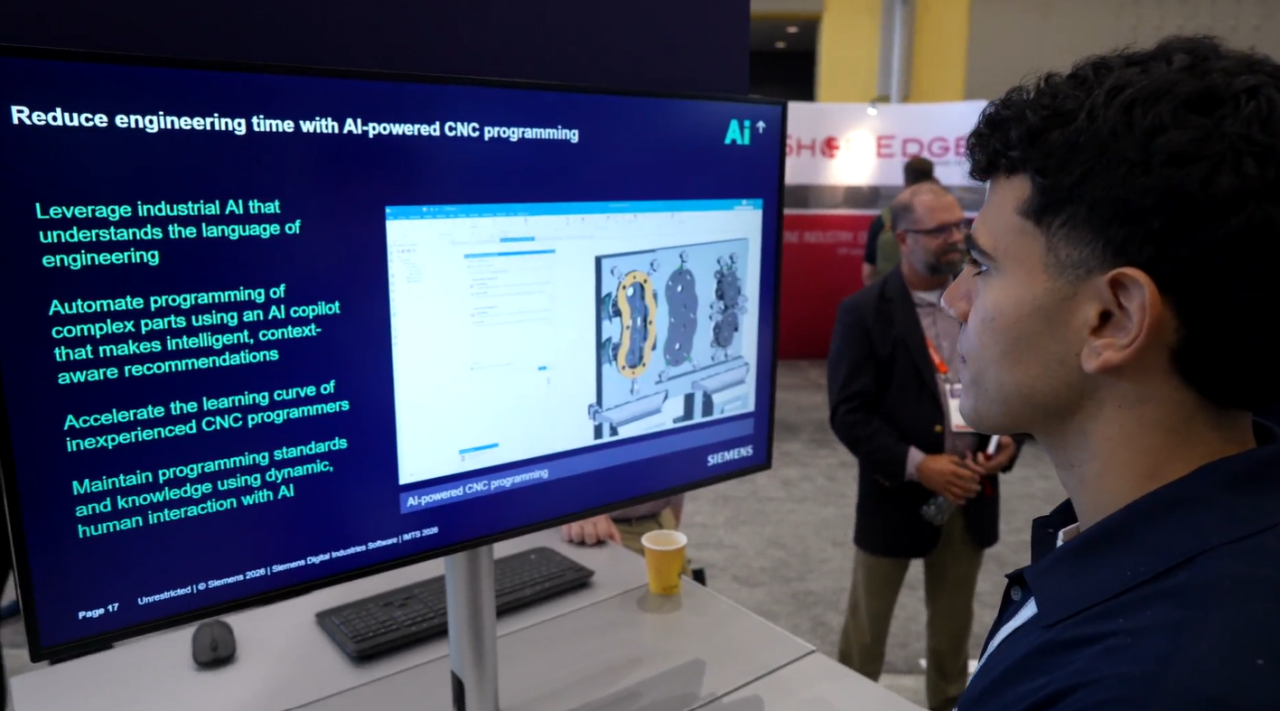
That intelligence also moves into manufacturing planning, where teams can turn the question of what are we making? into a production-ready answer to how are we going to make it?
On the shop floor, that same digital thread can support scheduling, execution, work instructions and real-time production visibility. Once a part is produced, design intent can carry into automated inspection and quality analysis. And production and asset data can flow back into the loop to help teams identify issues, improve processes and increase equipment reliability.
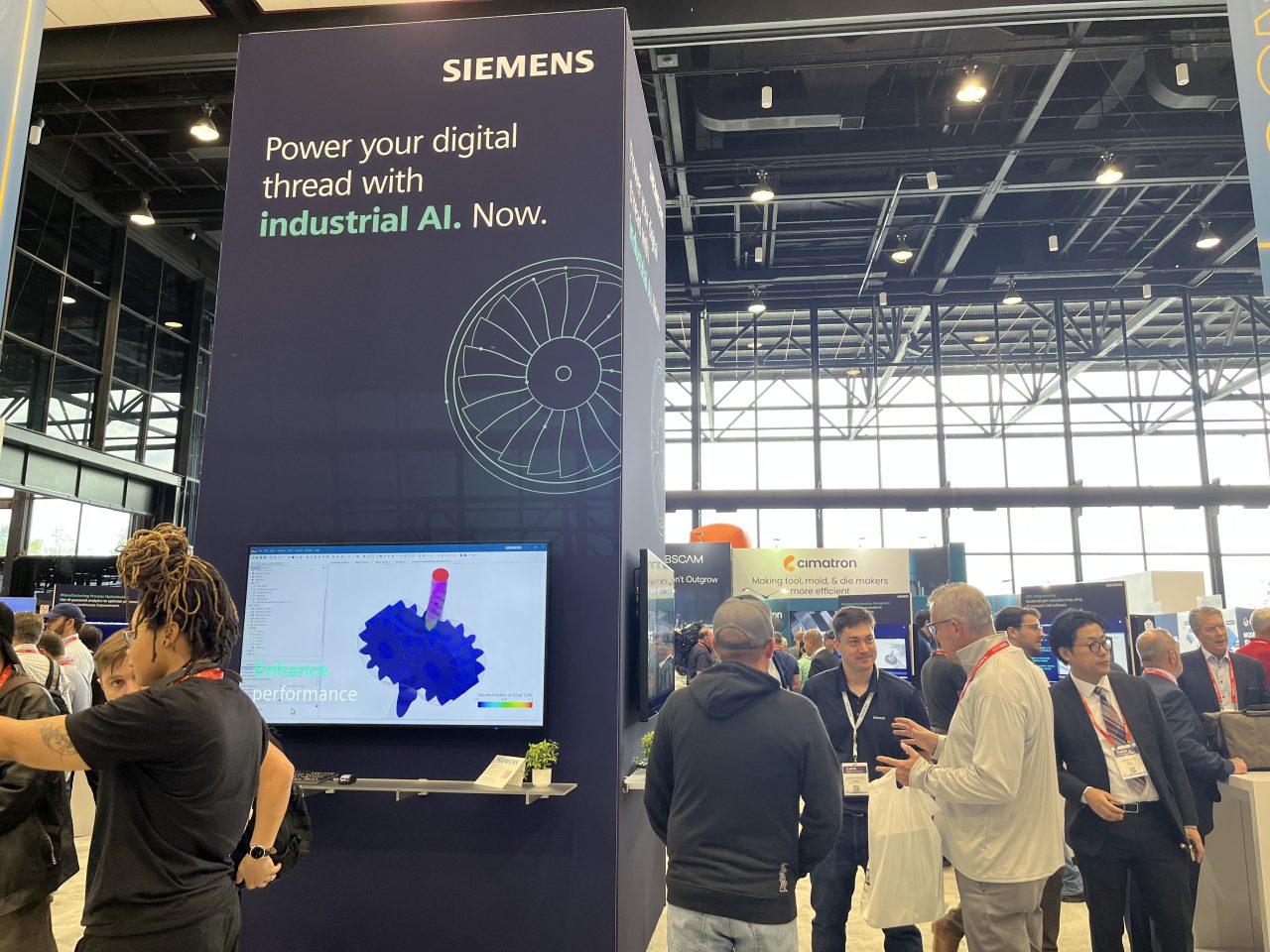
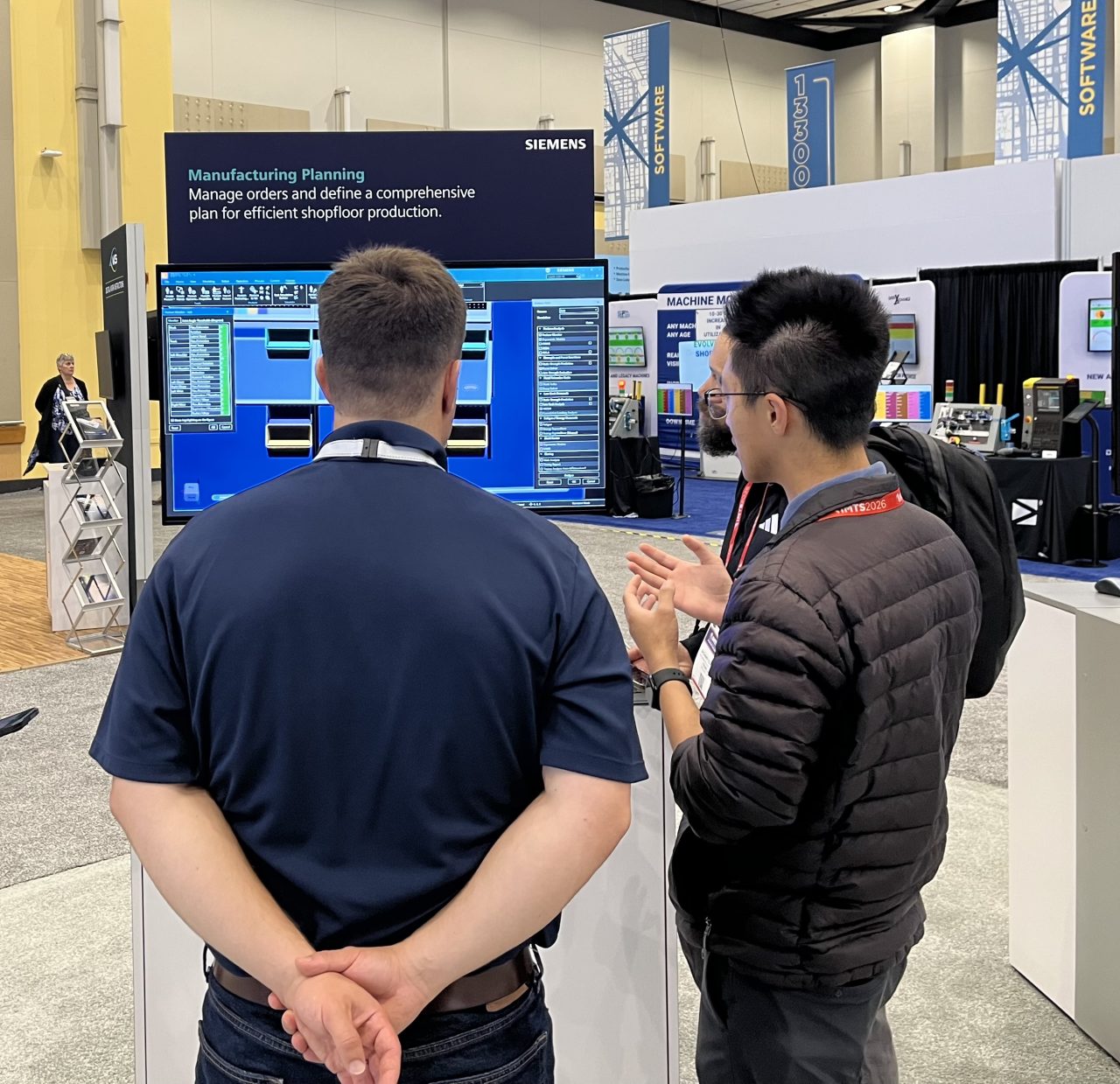
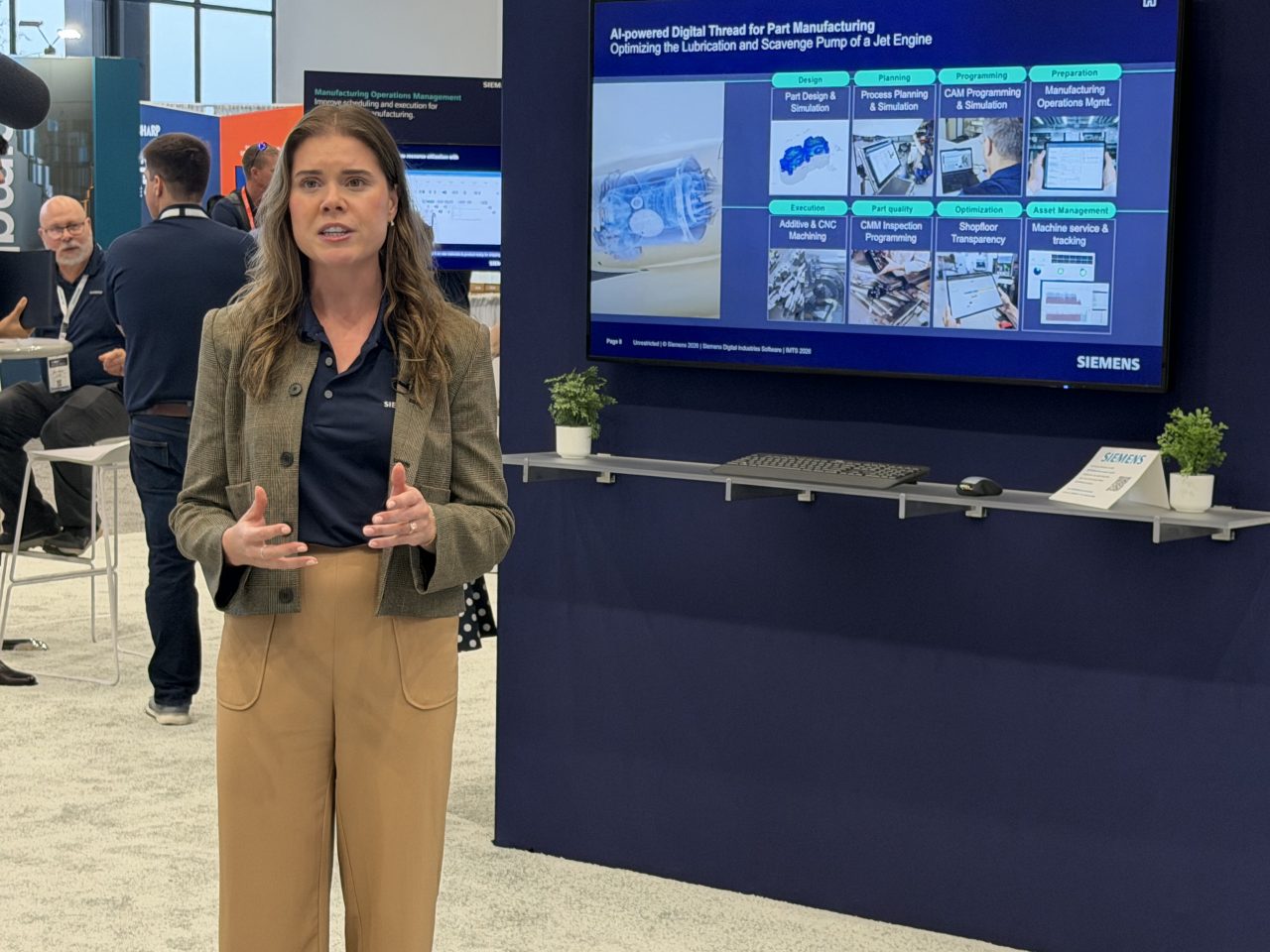
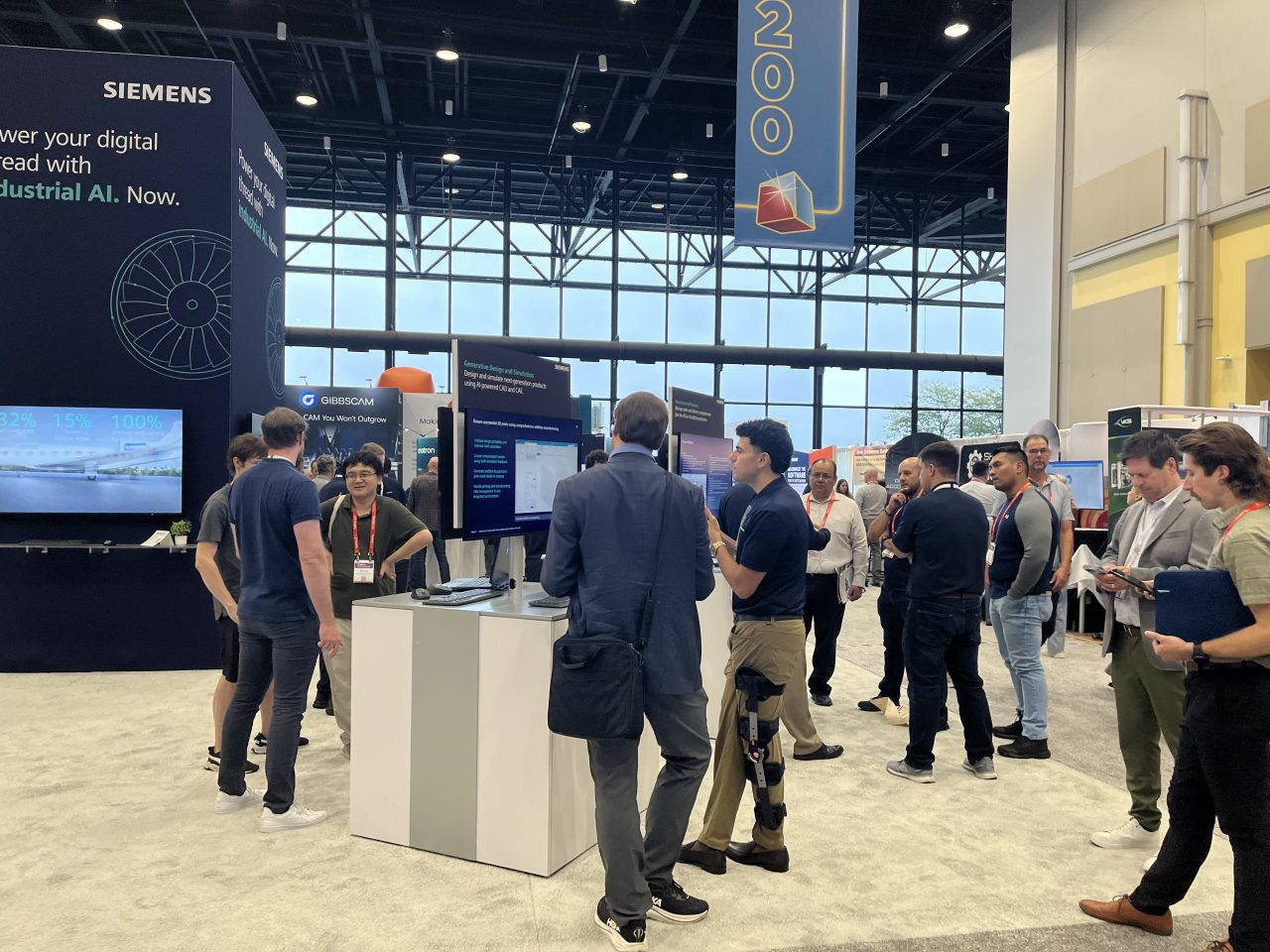
That closed loop is where the bigger story lies. The digital twin shouldn’t end when engineering releases a design. And manufacturing data shouldn’t reach a dead end on the shop floor. The more connected those worlds become, the more opportunities manufacturers have to learn from every part they produce.
Ultimately, manufacturing truth is at the machine
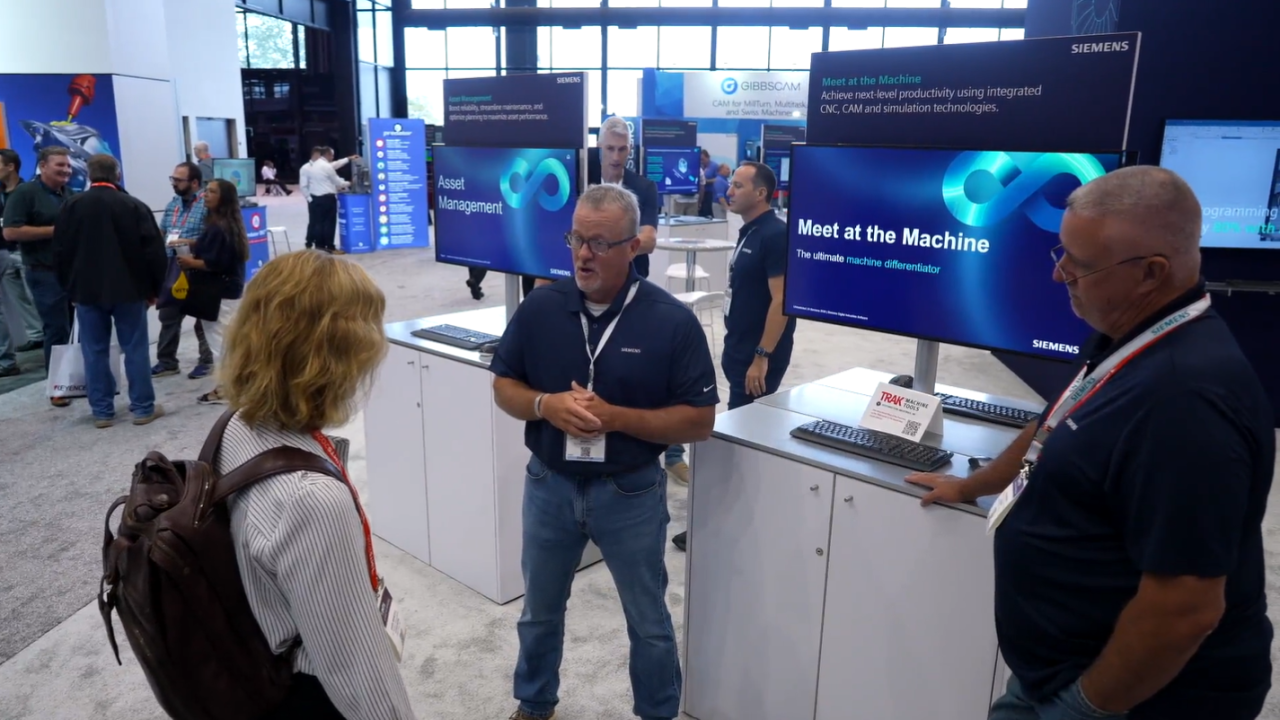
Siemens also introduced Meet at the Machine at IMTS 2026, a new initiative designed to bring machine builders, engineering software and automation technologies together to help manufacturers achieve productivity faster. With TRAK Machine Tools as the first partner, the initiative addresses a familiar industry challenge: the time it can take to move from the delivery of a new machine to productive machining. Meet at the Machine creates a connected workflow spanning engineering, CNC programming, virtual validation and execution, enabling manufacturers to begin programming, simulation and production validation while a new machine is still being built. Instead of waiting for the physical machine to arrive before critical programming, validation and training activities can begin, manufacturers can shift more of that work earlier in the process.
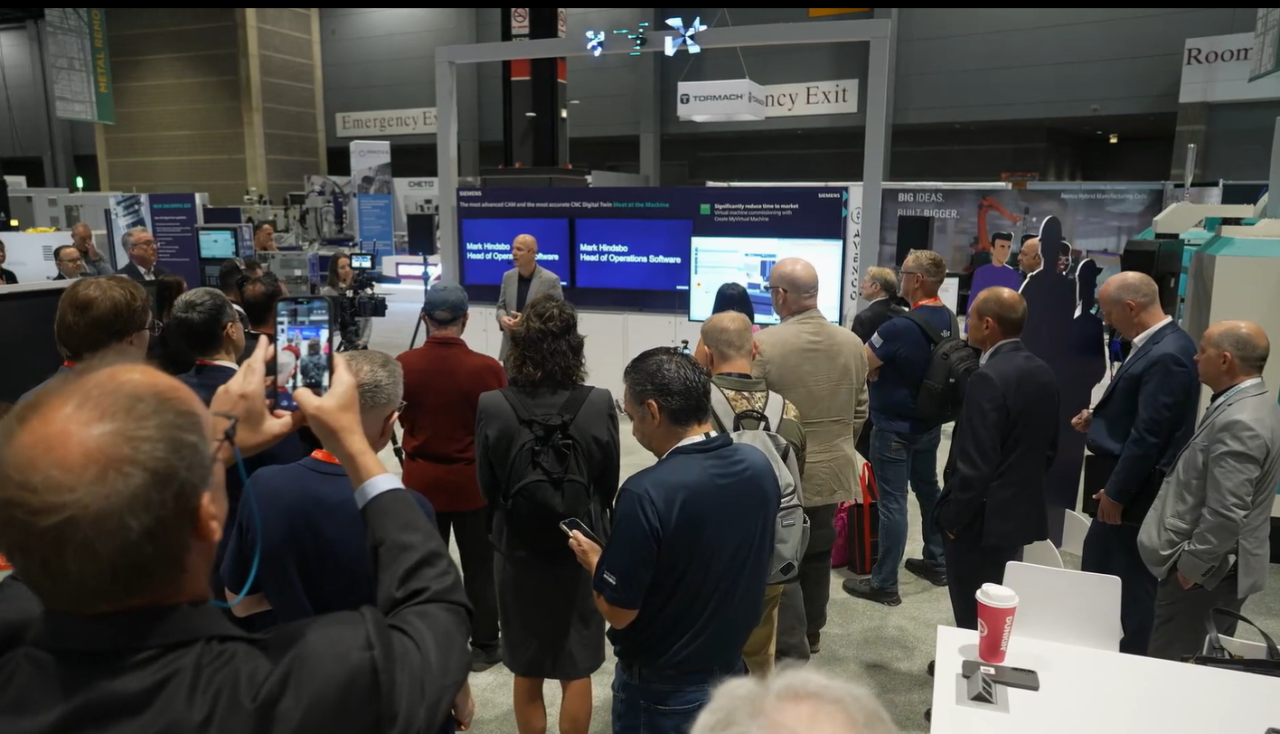
“Manufacturing truth has always ultimately been at the machine,” says Mark Hindsbo, Head of Operations Software at Siemens. “By bringing together engineering software, automation hardware, and machine expertise, we enable our customers and users to be productive faster, accelerate return on investment, and reduce ramp-up time by up to 50 percent.”
By connecting the digital and physical worlds through a continuous digital thread, the initiative is designed to reduce complexity, shorten ramp-up time and help manufacturers achieve productivity from the first machine power-on. Looking ahead, Siemens plans to expand the framework through collaboration with additional machine builders, creating integrated solutions that address real manufacturing challenges and provide a foundation for continuous improvement.
AI will certainly be part of the answer. But one of our biggest takeaways from IMTS 2026 is that the value of AI will depend heavily on what surrounds it. AI connected to product definitions, engineering intent, manufacturing history, machine behavior and real-time production data is something very different. That’s why the digital thread matters. It’s what allows intelligence created in design to become useful in manufacturing. It’s what allows what happens at the machine to inform the next engineering decision. And it’s what can turn AI from an isolated productivity tool into something that continuously improves how products are designed and produced.
The future of Industrial AI for manufacturing is in flight before our eyes
After thousands of conversations and demonstrations at IMTS, perhaps the most interesting shift isn’t technological at all. For years, much of the manufacturing conversation has centered on what digital transformation could make possible. At IMTS 2026, the questions felt different.
Manufacturers wanted to know what they can deploy now. Where they can start. How AI fits into existing CAD/CAM workflows. How they can connect engineering and production. How they can capture expertise rather than lose it. And how quickly these technologies can create measurable value. If you weren’t able to attend IMTS, stay tuned as we share more content about key learnings and takeaways from the event.